
Optimal Timing for Storm Restorations
Storm restorations are most effective when performed promptly after severe weather events. The optimal time depends on regional climate patterns, the type of storm, and the extent of damage. Typically, the late spring through early fall months see increased storm activity, making this period ideal for inspections and repairs. Addressing storm damage during these months can prevent further deterioration and reduce repair costs.
Conducting inspections immediately after a storm helps identify damages early and ensures timely repairs to prevent further issues.
Spring and summer often experience higher storm activity, making these seasons suitable for storm restoration planning and execution.
Clear weather conditions facilitate safer and more efficient restoration work, emphasizing the importance of scheduling during dry periods.
Regions with frequent storms require ongoing assessment and maintenance to mitigate cumulative damage over time.
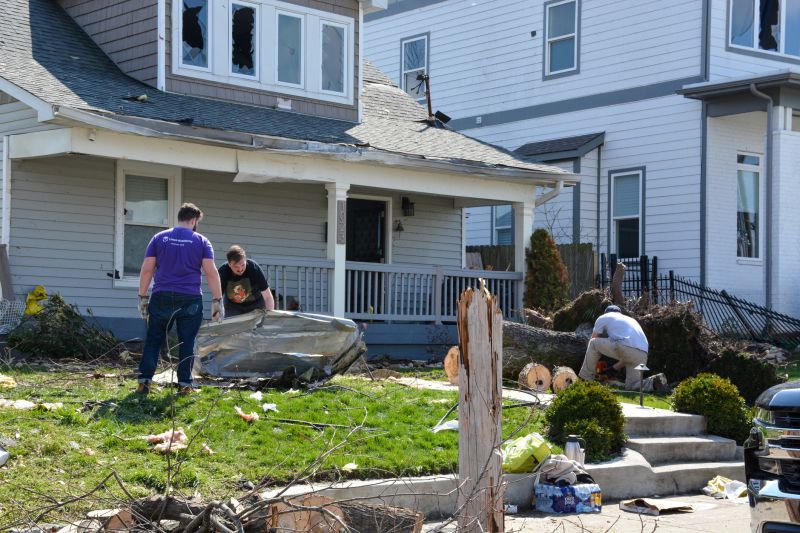
Image depicting a professional inspecting a roof after a storm.

Image showing a crew performing temporary fixes to prevent further damage.
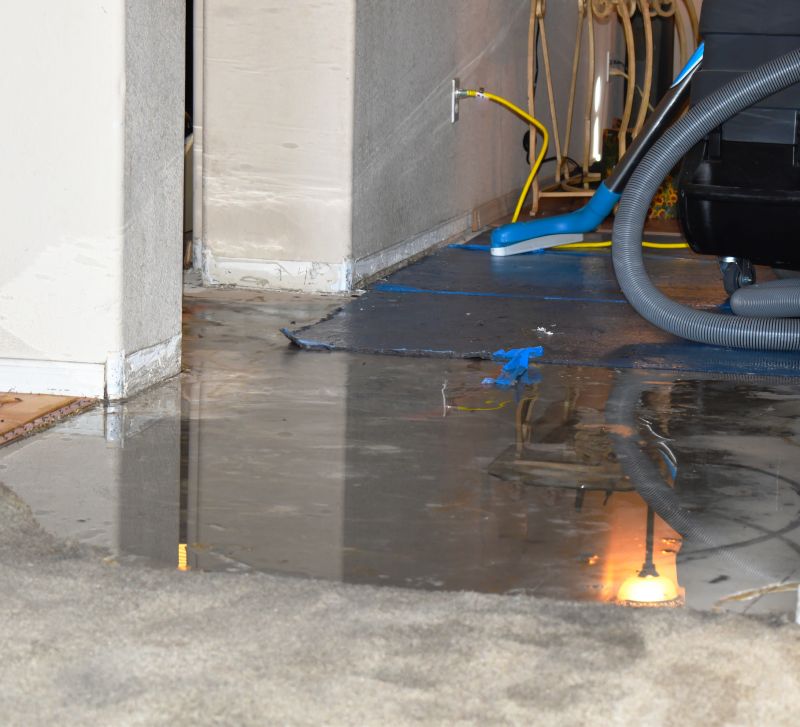
Image of tools and materials used in storm damage repairs.
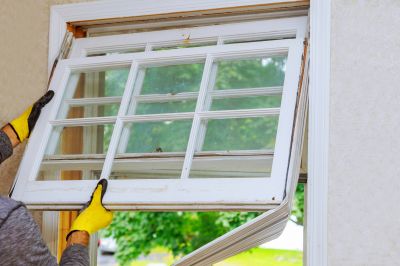
Ways to make Storm Restorations work in tight or awkward layouts.
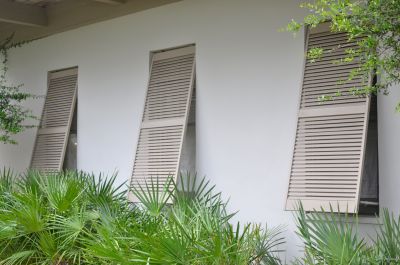
Popular materials for Storm Restorations and why they hold up over time.

Simple add-ons that improve Storm Restorations without blowing the budget.
Storm restorations involve assessing damage, performing necessary repairs, and restoring structures to their pre-storm condition. The process is critical for maintaining safety, structural integrity, and property value. Timely restoration can also prevent secondary issues such as mold growth, water intrusion, and further deterioration. Statistics indicate that early intervention can reduce repair costs by a significant margin and extend the lifespan of affected structures.
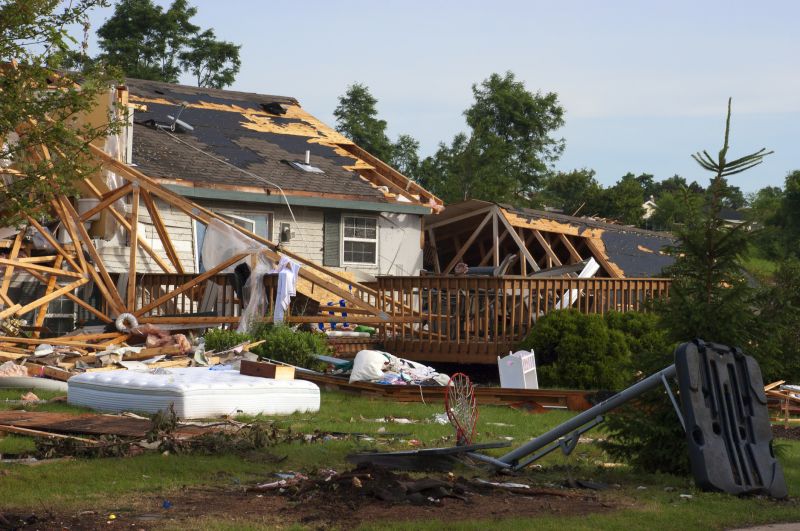
Close-up of roof damage caused by high winds and hail.
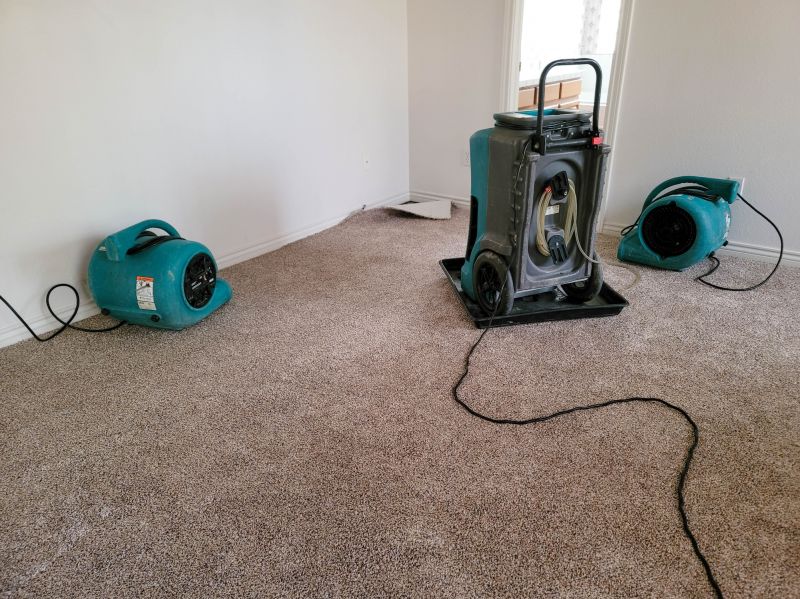
Image of water extraction and drying equipment in use.

Workers reinforcing a damaged wall after a storm.
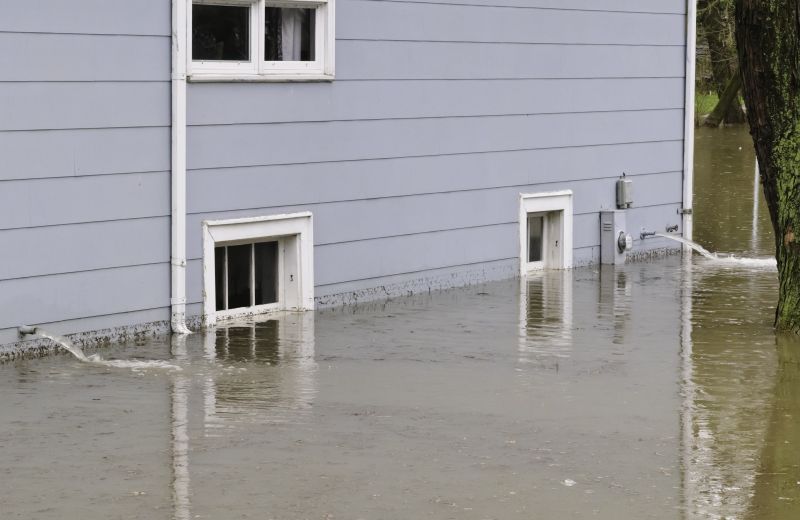
Completed repairs showing restored property exterior.

High-end options that actually feel worth it for Storm Restorations.
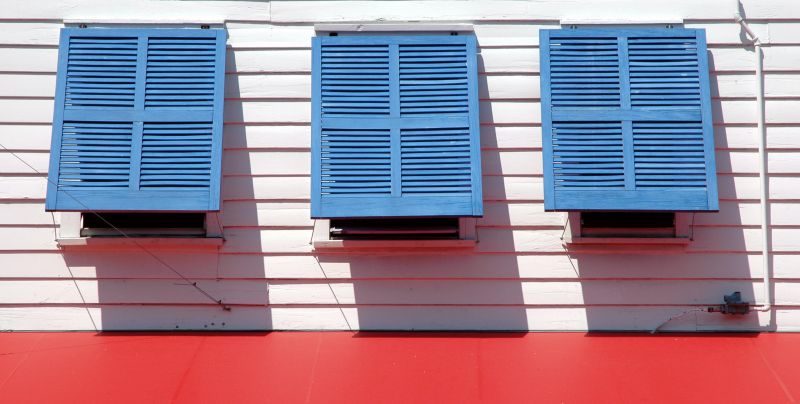
Finishes and colors that play nicely with Storm Restorations.
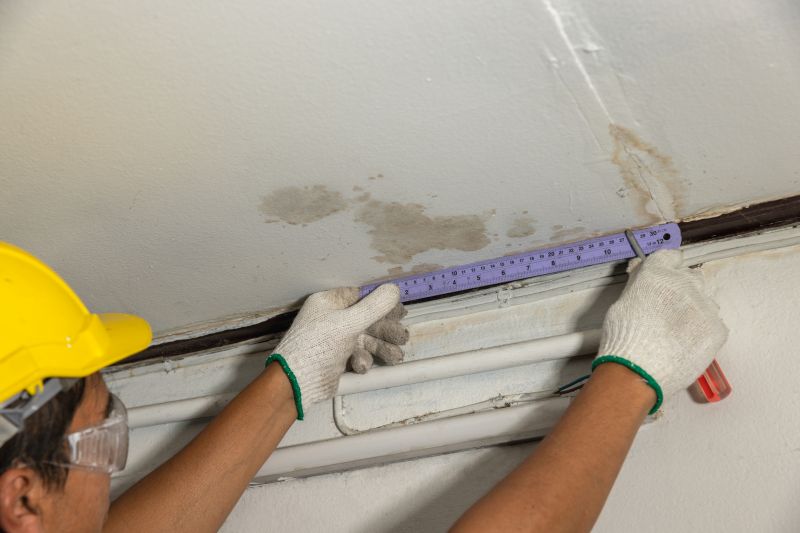
Little measurements that prevent headaches on Storm Restorations day.
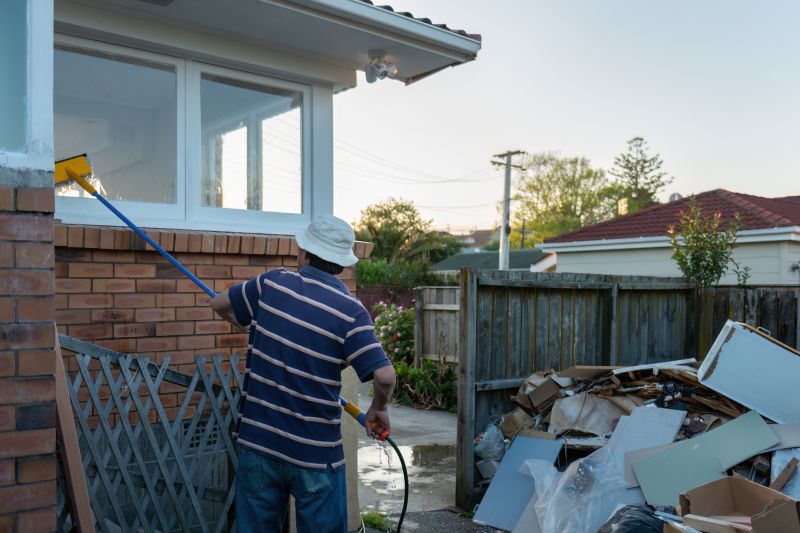
A 60-second routine that keeps Storm Restorations looking new.
| Storm Type | Optimal Restoration Timing |
|---|---|
| Hurricanes | Within days after landfall |
| Hailstorms | Immediately following the event |
| Tornadoes | As soon as safe to access the site |
| Heavy Rain | Within 24-48 hours |
| Wind Storms | Promptly after the storm subsides |
| Snow and Ice | Post-storm thaw period |
| Thunderstorms | Soon after the storm passes |
Understanding the timing for storm restorations ensures damage is addressed effectively, minimizing long-term costs and safety risks. Planning restorations during optimal weather conditions and promptly after storms can significantly improve outcomes. Property owners should regularly inspect their properties and coordinate with restoration professionals to prepare for storm seasons.